
Calibres
Plains game: a medium calibre such as .270, .30-06 or .300 Win Mag.
Dangerous game: .375 minimum.
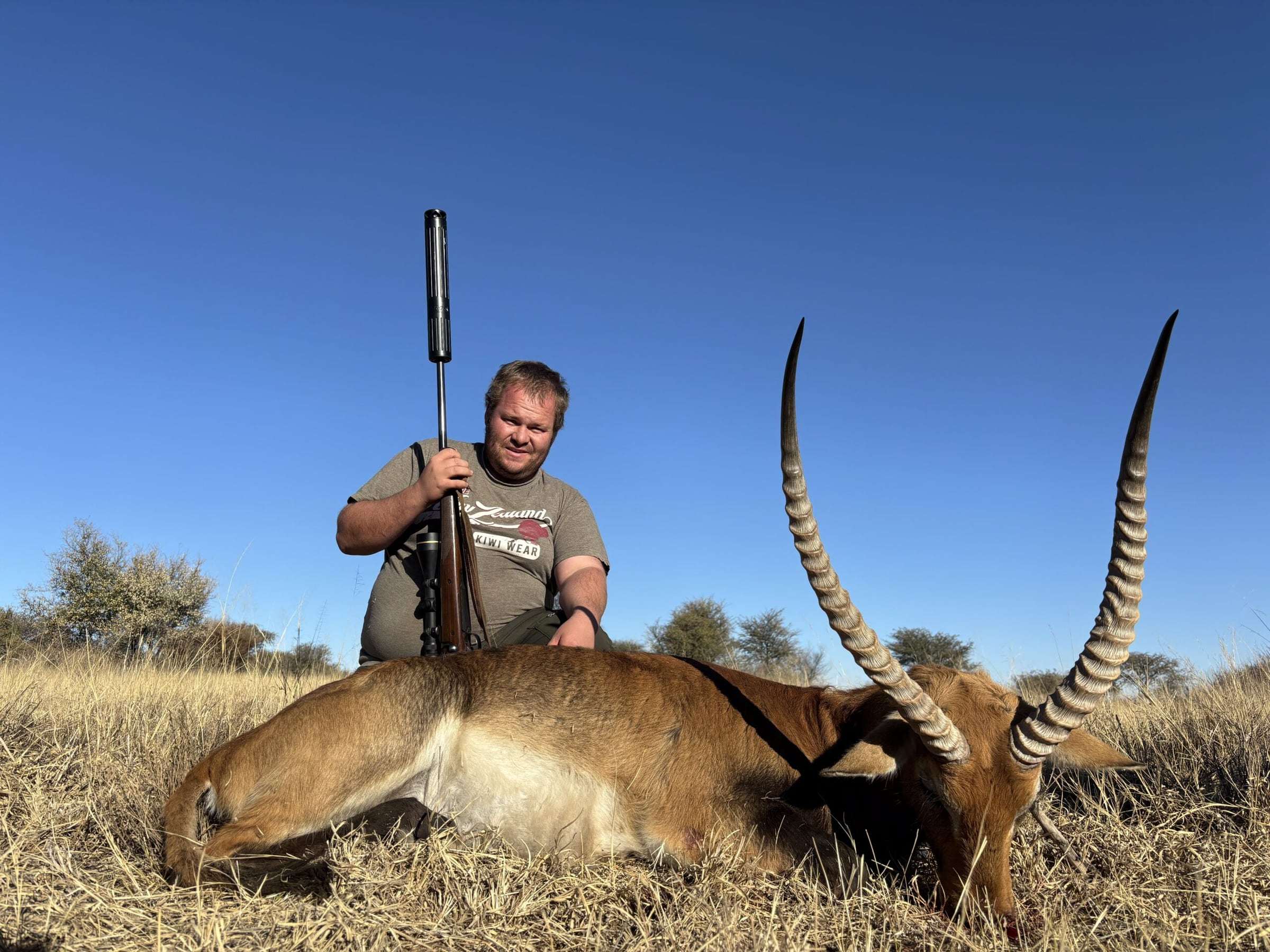
Everything you need to know before you fly: how booking works, getting here from the USA, rifles and permits, and what happens to your trophies.
Fly into O. R. Tambo International Airport (JNB) in Johannesburg. We meet you there, and transfers to and from the lodge are included in the daily rate.
Entry rules change. Check them on the US State Department's South Africa page (opens in a new tab) before you fly.
Bring your own rifle, or use ours. Rifles are supplied in the package price: a .375, .308, .243 and a shotgun, with ammunition.
Plains game: a medium calibre such as .270, .30-06 or .300 Win Mag.
Dangerous game: .375 minimum.
You need a temporary import permit from the South African Police Service (form SAPS 520), issued at your port of entry. You must be 21 or older, bring no more than one rifle per calibre, no semi-automatics, and no more than 200 rounds per firearm.
Register your firearms with US Customs and Border Protection on Form 4457 before you leave, and show it again when you come home.
We summarise the official rules here as a guide (checked November 2026). The official sources linked above are the final word.
Laundry is included, so you can pack light.
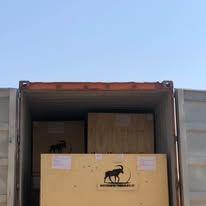
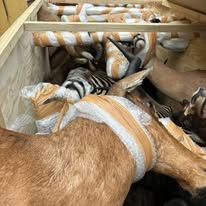
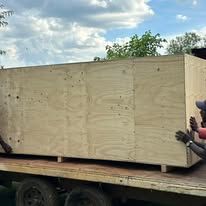
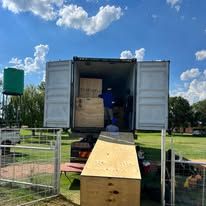
Your trophies are field-prepared here. Dip and pack, taxidermy and shipping can be arranged, and crating and export paperwork go through our exporter, Highveld Safari Exporters.
Can't find your answer? WhatsApp or email us and Hennie or Natanya will get back to you.
Ask a questionYour accommodation and three meals a day, all road transport (including airport transfers), your Professional Hunter, camp staff, trackers and skinners, field preparation of trophies, laundry, liquor in moderation, and all hunting licence and permit fees. Flights, trophy fees, taxidermy, dip and pack, shipping and VAT are extra. See the full rates.
A 40% deposit confirms your hunt, and the remaining 60% is paid on the day you arrive. You can pay by bank transfer or in cash.
Yes. Any package can be extended, and you can add animals from the trophy fee list. Tailor-made hunts can be arranged.
Yes, non-hunting observers are welcome at the observer rate. Ask us about day trips while you hunt, or a few days at Pilanesberg, Sun City or Kruger afterwards.
No. Rifles are supplied: a .375, .308, .243 and a shotgun, with ammunition. Rifle hire is free when you buy at least two boxes of ammunition; otherwise it is $50 a day (Need real info). A .300 Win Mag can be hired for a flat $50 a day.
For plains game a medium calibre such as a .270, .30-06 or .300 Win Mag is ideal. For dangerous game the minimum is a .375.
You need a temporary import permit from the South African Police Service, applied for on form SAPS 520 and issued at your port of entry. The South African Police Service lists these conditions: you must be at least 21, you may bring one rifle per calibre (no semi-automatic or automatic firearms), up to 200 rounds per firearm, and you need proof of your hunt from your outfitter. We send you that letter when you book (Need real info). Read the official rules on the SAPS importation page.
Register your firearms with US Customs and Border Protection on CBP Form 4457 before you leave, and show it with the firearms when you return. CBP also explains the export rules hunters need to follow in its advice for hunters travelling abroad. Check your airline's firearm policy too.
Not for a tourist visit of 90 days or less. Your passport must be valid for at least 30 days after you leave South Africa and must have two consecutive completely blank visa pages, or you can be refused entry. Check the current rules on the US State Department's South Africa page before you fly.
Fly into O. R. Tambo International Airport (JNB) in Johannesburg. We meet you there, and transfers to and from the lodge are included in the daily rate. Drive time from the airport: about 2 hours.
May to September, during the dry winter months.
Your trophies are field-prepared as part of the daily rate. We can arrange dipping and packing, mounting by a taxidermist, and shipping home. These services are charged separately.
Most plains-game trophies can be imported. Some species, including lion, need extra US permits that must be in place before import, and trophies from Africa generally have to enter through a designated US Fish and Wildlife Service port. Check your species on the US Fish and Wildlife Service website before you book, and ask us if you're unsure.